Schedule Your Excavation Consultation Today!
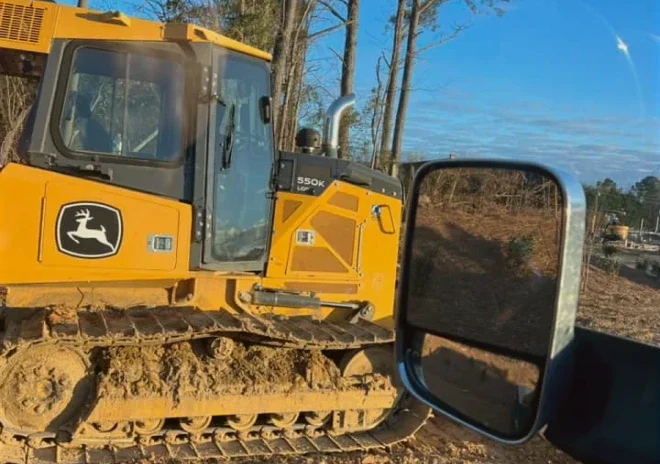
Before any road, building, or infrastructure project begins, one critical process sets everything in motion: land excavation. This foundational stage of construction involves removing soil, rocks, and other materials to prepare a stable and level surface for building. Without proper excavation, even the strongest structures can face long-term instability and safety risks.
Understanding what is excavation, how it works, and why it matters is essential for developers, contractors, and property owners involved in construction projects. From small residential builds to large commercial developments, excavation ensures that the ground beneath the structure is ready to support its weight and purpose.
This guide covers the basics of excavation, site preparation steps, equipment used, and why hiring experienced site work contractors is key to successful construction.
What Is Excavation?
Excavation refers to the process of moving earth, rock, or other materials from a site to create space for construction. It is one of the first and most important phases in any building project.
In simple terms, what is excavation can be explained as the controlled digging and removal of soil to prepare land for foundations, utilities, drainage systems, and infrastructure.
Excavation is not just digging randomly. It requires planning, precision, and knowledge of soil conditions to ensure the site is safe and structurally sound.
Why Land Excavation Is Important
Proper land excavation plays a crucial role in the success of any construction project. It ensures that the ground is stable, level, and suitable for supporting structures.
Key benefits of proper excavation include:
- Creating a strong foundation base
- Improving drainage and water flow
- Preventing soil erosion and shifting
- Ensuring structural stability
- Allowing proper installation of utilities
- Reducing future repair costs
Without proper excavation, buildings and roads can suffer from cracks, sinking, or uneven settling over time.
Site Preparation: The First Step in Construction
Before excavation begins, careful preparing site work is required. Site preparation ensures that the land is ready for safe and efficient digging.
This phase typically includes:
- Clearing trees, vegetation, and debris
- Removing old structures or obstacles
- Conducting soil testing and analysis
- Marking boundaries and excavation zones
- Planning drainage and utility layouts
Site preparation is essential because it helps contractors understand the conditions of the land before heavy machinery begins excavation work.
Key Steps in Land Excavation
The land excavation process follows a series of structured steps to ensure accuracy and safety.
1. Site Survey and Planning
Engineers and contractors assess the excavation sites to understand soil conditions, elevation, and project requirements. This step ensures the excavation plan aligns with construction goals.
2. Clearing and Grubbing
All unwanted materials such as trees, roots, rocks, and debris are removed to create a clean working area.
3. Digging and Earth Removal
Heavy machinery begins removing soil and rocks according to design specifications. Depth and width are carefully controlled to match construction plans.
4. Grading and Leveling
Once excavation is complete, the land is shaped and leveled to ensure proper drainage and foundation support.
5. Compaction
The soil is compacted to increase stability and reduce future shifting or settling.
Common Equipment Used in Excavation
Modern excavation relies on powerful machinery to complete projects efficiently and safely. Some of the most commonly used equipment includes:
- Excavators for digging and lifting soil
- Bulldozers for pushing and leveling earth
- Backhoes for smaller digging and trenching work
- Dump trucks for hauling soil and debris
- Skid steer loaders for tight or compact areas
Each machine plays a specific role in ensuring that excavation work is completed accurately and on schedule.
Role of Site Work Contractors
Professional site work contractors are essential for managing excavation projects safely and efficiently. They bring experience, technical knowledge, and equipment to handle complex ground conditions.
Their responsibilities include:
- Planning excavation strategies
- Operating heavy machinery
- Ensuring safety compliance
- Managing soil disposal and grading
- Coordinating with engineers and builders
Hiring skilled contractors reduces the risk of errors that could lead to structural problems later in the construction process.
Types of Excavation Work
There are several types of excavation used in construction, depending on the project requirements:
- Topsoil excavation: Removing surface soil for landscaping or grading
- Earth excavation: Digging below topsoil for foundations
- Rock excavation: Removing solid rock formations
- Trench excavation: Creating narrow spaces for utilities like pipes and cables
- Cut and fill excavation: Balancing soil removal and placement to level land
Each type requires different tools, techniques, and safety measures.
Safety in Excavation Sites
Safety is one of the most important aspects of working on excavation sites. Because excavation involves deep digging and heavy machinery, strict safety measures must be followed.
Key safety practices include:
- Using protective barriers around open pits
- Monitoring soil stability to prevent collapses
- Ensuring proper slope angles in deep excavations
- Wearing safety gear such as helmets and boots
- Keeping equipment operators trained and certified
Unsafe excavation can lead to accidents, delays, and costly damages, making safety a top priority in every project.
How Excavation Supports Infrastructure Development
Excavation is not just about digging—it is the foundation of modern infrastructure. Roads, bridges, buildings, and utilities all depend on properly prepared land.
For example:
- Roads require leveled and compacted soil for durability
- Buildings need stable foundations to prevent sinking or cracking
- Drainage systems rely on precise trench excavation
- Utility lines require accurate underground placement
Without proper excavation, infrastructure projects would lack the stability needed for long-term use.
Common Problems Caused by Poor Excavation
Improper excavation can lead to serious construction issues, including:
- Uneven building foundations
- Water drainage problems
- Soil erosion and shifting
- Structural cracks and damage
- Increased maintenance costs
These issues highlight why professional planning and execution are critical during the excavation stage.
Final Thoughts
Land excavation is one of the most important steps in any construction project. It prepares the ground for safe, stable, and long-lasting infrastructure. From understanding what is excavation to following proper preparing site procedures, every stage plays a role in ensuring success.
By using the right equipment, following safety standards, and working with experienced site work contractors, construction teams can avoid costly mistakes and build strong foundations for roads, buildings, and other infrastructure.
Ultimately, proper excavation sets the stage for everything that follows. Whether working on residential, commercial, or public excavation sites, investing time and expertise in this process ensures durability, safety, and long-term structural integrity.